



G Singh
1 year ago
Consolidation combines multiple smaller shipments, from one shipper or several, into a single truckload moving to one region, then breaks them out for final delivery. You pay truckload economics instead of LTL rates on each piece, and the freight gets handled far less along the way.
If you are sending three LTL shipments to the same region every week, you are probably paying more than one truckload would cost.
and when it does not
Three or more LTL shipments to the same metro or DC is usually where the math turns. Send us a month of LTL bills on the lane and we will work it out.
Not urgent enough to need an immediate departure, but with a delivery window you have to hit. That gap is where consolidation lives.
Several purchase orders heading to the same retailer distribution center, arriving as one appointment instead of five.
If LTL damage keeps happening and you cannot work out why, it is usually the number of times the freight is handled. Consolidation cuts that count.
If it has to leave today, this is not the mode. Consolidation means waiting for the truck to fill or holding to a fixed schedule.
Genuinely scattered delivery points, or too little volume to fill a truck inside a reasonable holding window. We will say so rather than force it.

Lower cost per shipment, fewer handlings so less damage, and one delivery appointment instead of several.

Flexibility on timing. Consolidation means waiting for the truck to fill, or holding to a fixed schedule.

Total LTL cost for all the shipments against one truckload plus any handling. If your LTL bills on a lane consistently add up past a truckload rate, you already have your answer.
This works especially well for retail DC freight, where consolidating multiple POs into one appointment also cuts your chargeback exposure.
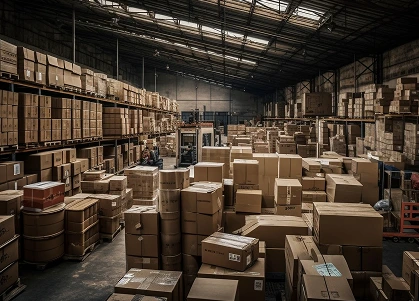
Short-term storage and cross-dock space in the right place, which is what makes pooling the freight possible in the first place.

Entry filing, classification and duty handled through licensed customs brokers we work with, coordinated with the truck.

For the freight that has run out of road time. Airport to airport, or door to door with the pickup and delivery arranged.

1 year ago
Great loads and team to work with.

1 year ago
We’ve booked several loads with them due to their competitive quotes, and they’ve consistently delivered. Each load was covered quickly, had reliable tracking, and arrived on time—which is exactly what we value. We’ll definitely use them again!

1 year ago
Excellent company with kind, helpful, and responsive staff. The broker stayed in touch throughout the entire shipment process. It was a pleasure working with them, and we look forward to transporting loads again

1 year ago
Worked with them as carrier. They have pretty good freight. Quick responses and timely payments with an easy and hassle-free process.

3 years ago
Scarlett is professional, communicative and responsible agent. I am thrilled with the exceptional service. Highly recommend!

3 years ago
Great Broker to work with. They are available all time, any hour. Very helpfull, very dedicated. I really like thier take care of thier customers.

3 years ago
Excelente atención y comunicación, siempre atentos a las cotizaciones y abiertos a negociar, excelente empresa que recomiendo a las empresas de logística.

3 years ago
Awesome brokers to work with. Very dependable and easy to comprehend with. I personally work with kinsey cooper in the dispatch department and she has been remarkable.

3 years ago
Amazing company! 100% recommended to use.

3 years ago
They are perfect at their job! these guys are very competent and professional

3 years ago
Had a great experience with these guys. Excellent customer service

3 years ago
HENRY SINGH THANK YOU

3 years ago
HENRY SINGH THANK YOU

3 years ago
Best in freight industry

3 years ago
One of the best3PL in the business! 100% recommended

3 years ago
Great company, very kind, helpful and responsive staff, the broker was in touch throughout the entire shipment. It was a pleasure to work with Duane Jackson and we will definitely transport your loads again.

3 years ago
We had a great experience with TransJet Cargo and we recommend doing business with them. We had no issues and thought Karan Singh, the Carrier Sales Leader from Indianapolis, was great to work with... He was amazing! We will definitely do business with them again.

3 years ago
Transjet Cargo is a respectable company. Their communication is great and the load was picked up on time. The receptionist was very helpful and I would recommend working with them.

3 years ago
Had booked a few loads and were delivered safely and on time. We were also paid on time, which is always a plus!

3 years ago
We've booked a few loads with them (they had good quotes) and they covered each of them quickly and had tracking on them. They delivered on time which is all we really care about! We will use them again!

3 years ago
Would definitely work with them again and their receptionist is absolutely lovely. She helped me figure things out and is a great communicator!

3 years ago
I recently worked with Transjet Cargo, they were very timely and had excellent communication throughout the process! They are amazing!

3 years ago
I had a good experience working with TransJet cargo, they went well out of their way to accommodate my needs. Plus they were very professional and courteous. Not even to mention their amazing receptionist, while I waited she offered snacks and drinks, unbelievably kind!

3 years ago
We have done many loads with this company they’re great!

3 years ago
Great brokerage service. Looking forward doing more loads with them.

3 years ago
Very professional company.

3 years ago
It’s a such nice brokerage company , Happy to have their services. I like the promptness well staff behavior..

3 years ago
Very good services. Good customer support as well.

3 years ago
Best company and better ambience.

4 years ago
I’ve used your services and I’m so impressed with how you handled our shipments with ease. Thanks for the great support.

4 years ago
This company is awesome. Got my load delivered on time. The employees are so efficient and they provide time to time update until load touch to destination.

4 years ago
My experience was amazing with Transjet, on time Shipment Deliver with competitive rates. Always available to assist. Thanks Transjet!!

4 years ago
A good knowledge of the Trucking industry

4 years ago
Great service and best rates in the market. Will definitely work with them again

4 years ago
One of the best frieght brokerage firm.

4 years ago
Excellent services, Most efficient trucking coverage in all major ports. Kudos Team.

4 years ago
Transjet cargo services is very good.

4 years ago
Their services are top notch and they are a work driven company.

4 years ago
Very good services provided, Quick and friendly customer support. After hour services is really good..

4 years ago
I have opted their service before that too several times. Never found anything negative. They are work and ethics driven organization.

4 years ago
I had worked with Transjet cargo and dealt with Tony and had great experience

4 years ago
I recommend transjet cargo very professional and very good rates, company take care of customer needs and provides a best service

4 years ago
TransJet Cargo is a full-service logistics company that is committed to provide its customers the highest quality and value added logistics Solutions at any hour of the day.

4 years ago
Best Company, Great Employees, 24/7 available to handle the shipments, Gaining happy customers rapidly over the Nation.

4 years ago
Very good company... The staff is very cooperative and are good in handling logistics smoothly.

4 years ago
Best Company!

4 years ago
Transjet cargo is the best in the industry..

4 years ago
Great Company !! Great Employees !! Great Work 24/7.

4 years ago
Good company people are very skillful here knows what they are doing, keeps always driver on priority🚛📣

4 years ago
I worked with transjet logistics and had a great broker name Emma. I appreciate working with someone that really values the drivers work. very nice and brokers are very coperative

5 years ago
It was really pleasant to work with Transjet. Soft speaking staff and supportive “Justin Gold”. I have just few minutes conversation and they were really smooth to work and honest.

5 years ago
Very good company. Jass is honest with his work and very communicative and helpful.

5 years ago
Good environment. good place to work with .

5 years ago
Naaz best in dispatch team.

6 years ago
MAX is the guy to work with here. got late with the delivery appointment Coz truck broke down but he handled it very professionally. Man of his Words. 24/7 call service to deal with any problem. Surely will keep working with them. Thank you Guys

6 years ago
GOOD TO GO..24/7 Available.

6 years ago
Great Working Experience!!

6 years ago
When I firstly started working with this company I felt like it is going to be very formal as usual. But i am glad to say that Robert, Max And Ricky changed my mind with their skills. They are very flexible with appointments and give me good rates never disappointed me.

6 years ago
We are working with Vanessa. She help us really well.

6 years ago
Worked with a guy named Max, great guy, good service over all

6 years ago
Best company ever worked with very nice to everyone have best rates and very good service will recommend to work with this company.

6 years ago
Awesome, professionalism at its best, wish I could give more stars. They knows and understand very well, they handle every situation in best possible manner. 👌✔

6 years ago
good to go great company would work with them in future also

6 years ago
GREAT COMPANY GOOD TO GOOOO

6 years ago
will recommend this company, great one, of there words, do what they say, will surly work with them, will recommend always, they rock... payment always on time provide good price no delay no lie

6 years ago
Great company

6 years ago
Got Best rate on my first and Awesome experience working with TransjetCargo And Keep moving Loads with Hank Broker

6 years ago
Nice People. Good Work.

6 years ago
Good at customer service. Polite people.

6 years ago
I have worked with this company, very reliable experience, they are ready to give customer service 24*7. I always get my payments on time. Appreciate their work.

6 years ago
Good rates and 24/7 supportive staff

6 years ago
People at transjet are very helpful.

6 years ago
Transjet cargo always picks up their phone. Even midnight they will pickup their phone provide the necessary information and lumper. They always pay on time. 50% of our loads are Transjet Cargo. Happy customer

6 years ago
Rates are good as compared to others. Quick paymemt release.

8 years ago
Great service and always on time with our truckloads! Definitely recommend these guys to haul your freight in a timely and professional manner.